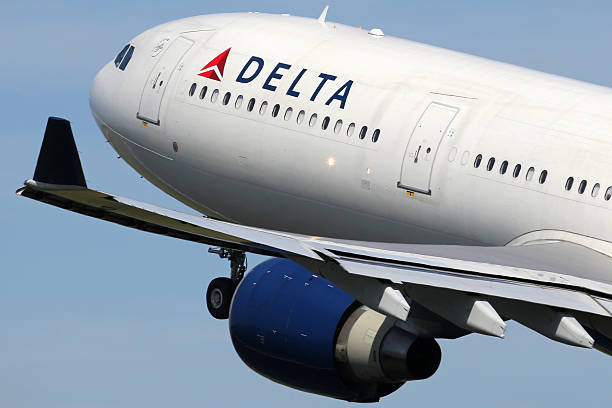
Delta flight dl275 diverted lax: An Overview of the Incident
Delta flight dl275 diverted lax during a standard scheduled operation, sparking immediate interest from aviation enthusiasts and travelers alike. Consequently, the decision to reroute the aircraft highlights the rigorous safety standards maintained by the airline industry. While passengers originally expected a routine journey, the sudden change in flight path necessitated a swift response from the flight crew. Therefore, understanding the mechanics of such a diversion provides valuable insight into modern air travel safety. Pilots often prioritize safety over schedule, which is exactly why this specific event occurred.
The Sequence of Events Leading to the Diversion
The timeline began shortly after takeoff when the crew noticed a technical discrepancy. Initially, the pilots attempted to resolve the issue while maintaining their heading. However, they soon realized that a precautionary landing was the most prudent course of action. Following this assessment, they contacted air traffic control to request a priority descent into Los Angeles. Because of the heavy traffic at one of the world’s busiest airports, the coordination required was immense. Nevertheless, the ground controllers cleared a path for the arriving vessel almost immediately.
Safety Protocols and Pilot Decision Making
Aviation safety relies heavily on the decisive actions of experienced pilots. When Delta flight dl275 diverted lax, the captain utilized standardized emergency checklists to ensure every system was monitored. Furthermore, the decision-making process involves evaluating weather conditions, fuel weight, and runway lengths. Because the safety of hundreds of individuals remains the primary concern, pilots never hesitate to change plans. Subsequently, the crew communicated clearly with the cabin to maintain a sense of calm among the passengers during the descent.
Impact on Passengers and Travel Itineraries
Travelers aboard the aircraft experienced a significant disruption to their original plans. Although the diversion was necessary for safety, it caused numerous missed connections and delays. To mitigate this, Delta personnel worked tirelessly to rebook passengers on alternative flights. Meanwhile, the airline provided vouchers for meals and, in some cases, overnight accommodations. Passengers generally appreciated the transparency regarding the technical status of the plane. Consequently, despite the inconvenience, the overall mood remained cooperative as people understood the necessity of the diversion.
Technical Analysis of the Aircraft Issue
Mechanical reliability is the cornerstone of the aerospace industry. In this instance, technicians inspected the aircraft immediately after it arrived at the gate. While specific details regarding the mechanical fault often remain internal, experts suggest that sensor malfunctions are common triggers for such events. Specifically, modern aircraft use redundant systems to flag even minor irregularities. Therefore, if a primary sensor fails, the backup provides data that might suggest a diversion is the safest option. This proactive approach prevents minor issues from escalating into serious emergencies.
Coordination with Los Angeles International Airport
Handling an unexpected arrival requires seamless cooperation between the airline and airport authorities. Los Angeles International Airport is well-equipped to manage diverted flights due to its expansive infrastructure. Moreover, emergency services often stand by as a standard precaution during such landings. Fortunately, the aircraft landed without further incident, allowing the airport to resume normal operations quickly. Consequently, the efficiency displayed by the ground crew ensured that other scheduled flights suffered minimal delays despite the emergency arrival.
The Role of Air Traffic Control in Diversions
Air traffic controllers act as the silent guardians of the skies. During the period when Delta flight dl275 diverted lax, controllers had to rearrange the arrival sequence for dozens of other planes. Consequently, their ability to remain calm under pressure is vital for maintaining a safe environment. By providing clear vectors and altitude assignments, they guided the Delta aircraft onto the final approach path. Thus, the synergy between the cockpit and the control tower remains one of the most impressive feats of modern logistics.
Communication Strategies During In-Flight Emergencies
Effective communication serves as a bridge between chaos and order. When the diversion was announced, the lead flight attendant delivered a concise briefing to the cabin. Furthermore, the airline’s corporate communications team began preparing statements for the media and families. Because information travels fast on social media, providing accurate updates is essential for maintaining brand reputation. Subsequently, the airline utilized its mobile app to send real-time notifications to affected travelers. This multi-channel approach ensured that everyone remained informed throughout the duration of the event.
Fleet Maintenance and Preventative Measures
Airlines invest billions of dollars into maintenance programs to prevent unscheduled landings. However, even the most rigorous schedules cannot account for every mechanical variable. Therefore, the diversion of Delta flight dl275 diverted lax serves as a reminder of the complexity of flight. Following the incident, the specific aircraft underwent a “B-check” to verify the integrity of all major components. By analyzing the flight data recorder, engineers can identify patterns that might prevent similar occurrences in the future. This continuous feedback loop is why flying remains the safest form of long-distance travel.
Comparing This Diversion to Industry Standards
Diversions occur more frequently than the general public might realize. Statistically, thousands of flights are rerouted globally every year for reasons ranging from medical emergencies to weather. Consequently, Delta’s handling of this situation aligned perfectly with industry best practices. While some diversions are more dramatic than others, the primary goal is always a safe landing. Therefore, analyzing this event helps travelers understand that a diversion is not a failure, but rather a successful application of safety protocols.
Final Reflections on Aviation Safety Culture
The culture of safety in aviation is built on transparency and learning. Because every diversion is documented and analyzed, the entire industry benefits from a single incident. When Delta flight dl275 diverted lax, it added another data point to the collective knowledge of flight operations. Ultimately, passengers can fly with confidence knowing that pilots and airlines prioritize their lives above all else. Consequently, while the diversion was an unexpected detour, it was a testament to the reliability of the global aviation network.